Cheaper by the Dose: Three Doctor-Approved Strategies for Trimming Prescription Costs
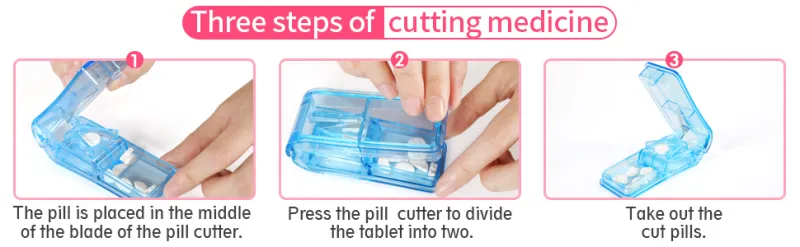
Photo: pill splitter cutting tablet in half doctor consultation prescription savings, via m.media-amazon.com
When a prescription copay climbs past what a household can comfortably absorb, patients get creative. Some split pills in half to stretch a supply. Some skip doses every other day. Some quietly stop filling prescriptions altogether—a phenomenon researchers have documented extensively, and one that carries real clinical consequences.
The trouble is that not all cost-cutting is created equal. Done with a physician's guidance, several strategies can reduce spending by 30 to 50 percent without compromising safety. Done alone, the same tactics can be dangerous or simply ineffective. Here is what the evidence supports, and how to raise each option in an exam room without feeling like you are second-guessing your doctor.
Strategy One: Tablet Splitting—Only When the Pill Allows It
Splitting a higher-dose tablet in half to obtain two lower doses is a legitimate and widely practiced cost-saving measure—when the medication's formulation makes it safe.
The economics are straightforward: a 20 mg tablet often costs the same as a 10 mg tablet, so a 20 mg tablet halved delivers a month of 10 mg therapy at the higher dose's price. Over a year, that can mean hundreds of dollars on common maintenance drugs.
But the formulation matters enormously. Only tablets that are scored, immediate-release, and chemically stable when exposed to air and moisture are candidates. Splitting is generally appropriate for certain statins, some blood pressure medications, and select antidepressants—always at the prescriber's direction.
It is generally inappropriate—and sometimes dangerous—for extended-release or sustained-release formulations, enteric-coated tablets, capsules, and any medication with a narrow therapeutic window where a 10 percent dosing error is clinically significant. Uneven splitting introduces variability of up to 15 percent even with a pill splitter, which is why no physician should ever recommend it for drugs like blood thinners or thyroid hormones where precision matters.
Strategy Two: The 90-Day Math
For stable maintenance medications, a 90-day supply almost always beats three 30-day fills. The savings come from several directions at once.
Pharmacies and mail-order services frequently discount extended supplies. Many insurance plans charge a single copay for a 90-day fill that is lower than two or three monthly copays combined. And 90-day refills mean fewer dispensing fees, fewer trips, and fewer opportunities for a late renewal to create a dangerous gap in therapy.
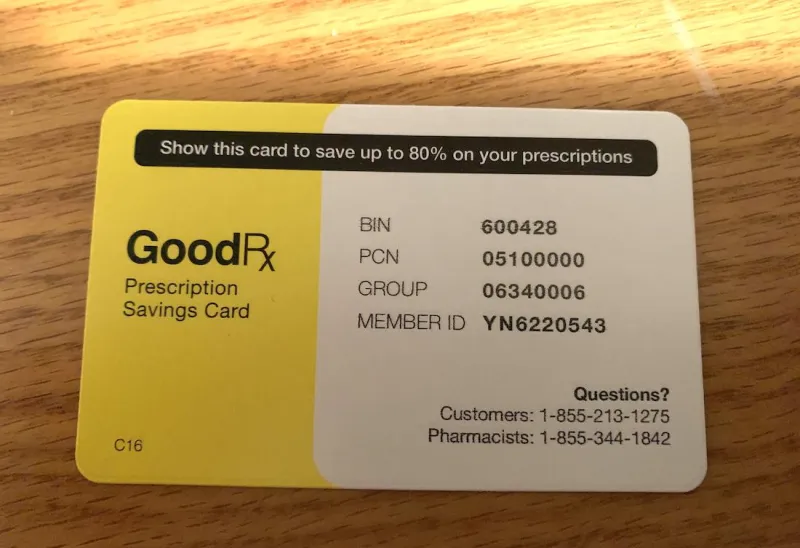
Two practical notes: not every drug is available in 90-day quantities—new prescriptions and recently adjusted doses typically need 30-day fills until stability is confirmed. And for patients paying cash rather than through insurance, discount programs and pharmacy membership pricing on extended supplies can be substantial; it is worth comparing the cash price at several pharmacies before defaulting to your insurance copay, since the cheapest route is not always the insured one.
Strategy Three: Therapeutic Alternatives
Two drugs can treat the same condition, work through similar mechanisms, and carry vastly different price tags. A therapeutic alternative is a different medication—often an older generic—that achieves the same clinical goal as the brand-name drug on your prescription.
The classic pattern: a prescriber writes for a newer brand-name drug out of habit or sample availability, when an older generic in the same class would work comparably at a fraction of the cost. Statins, ACE inhibitors, SSRIs, and proton pump inhibitors all contain multiple members with generic versions costing pennies per dose.
This is strictly a conversation for the prescriber. Substituting one drug for another on your own—say, swapping one SSRI for another because of a price difference—is genuinely risky, because these medications differ in dosing, half-life, and interaction profiles. But when raised as a question, physicians can frequently accommodate a cost-conscious substitution, and many will proactively check formularies if they know price is a barrier. Research consistently shows that doctors often do not know what their prescriptions cost patients; telling them is the single most effective intervention a patient can make.
What Never Works as a Savings Strategy
For clarity's sake, the following are not cost-saving tactics, no matter how common they are: skipping doses to stretch a supply, stopping a medication when you feel better, sharing prescriptions with family members, buying prescription drugs from unverified overseas websites, or halving capsules and coated tablets. Each of these carries clinical risk that outweighs any financial benefit, and several can make a manageable condition dramatically more expensive to treat once it worsens.
A Checklist for Your Next Appointment
Print this and bring it along. Three questions, asked directly, cover the evidence-based options:
- "Is this dose stable enough that a 90-day supply makes sense?"
- "Is this tablet safe to split, and would a higher-dose tablet split in half save me money?"
- "Is there a therapeutic alternative or generic in the same class that would work as well for less?"
Add one more if cost has forced hard choices: "Which of my prescriptions can I not afford to skip, and which do we need to rethink together?" Physicians respond to honesty about affordability far better than to silent non-adherence.
The Bottom Line
Prescription savings do not require ingenuity at the medicine cabinet—only a few informed questions in the right room. Tablet splitting, extended supplies, and therapeutic substitution are all legitimate, evidence-backed levers, and all three begin with a conversation your doctor is better positioned than anyone to have.