Two Pharmacies, Five Miles Apart, $128 Apart: Untangling America's Prescription Price Lottery
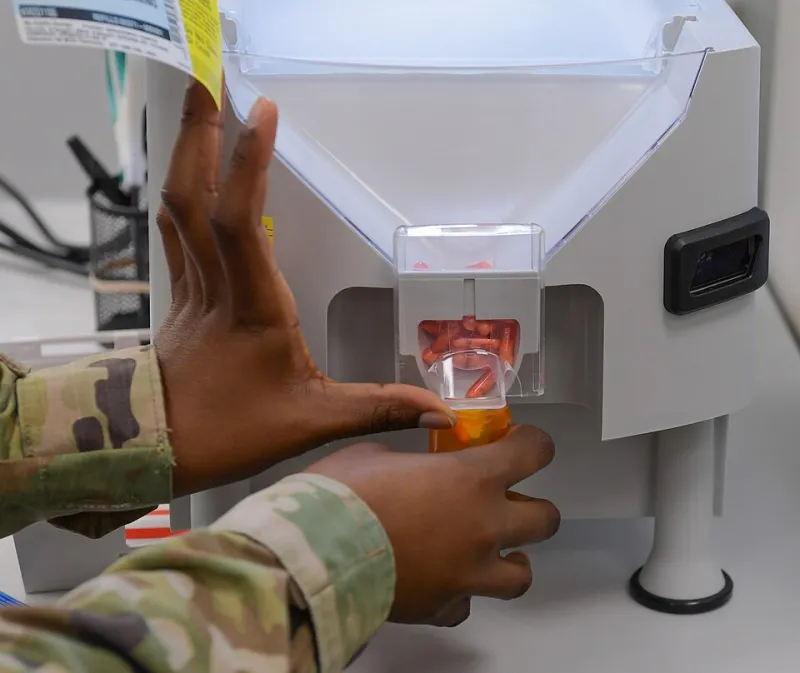
Photo: U.S. Air Force photo by Airman Trevor Calvert, Public domain, via Wikimedia Commons
Consider a scenario that plays out daily across the country: a patient in one state pays $12 for a thirty-day supply of a generic medication, while a patient with the identical prescription, same dosage, same manufacturer, pays $140 two states over. No scarcity, no specialty handling, no mystery compound. Just a price gap wide enough to force a choice between filling the script and paying another bill.
These disparities are not anomalies. They are the predictable output of a system in which the price you pay at the counter has only a loose relationship with the price of the drug itself.
Who Actually Sets Your Out-of-Pocket Price
The sticker shock begins with the structure of American pharmacy payments. When you hand over a prescription, the transaction is adjudicated by a pharmacy benefit manager (PBM) — a third-party intermediary hired by your insurer to manage drug benefits. PBMs negotiate with manufacturers, build formularies, and set reimbursement rates for pharmacies. Critically, the same drug can carry different reimbursement rates through different PBMs, different plans, and even different contract tiers within a single plan year.
Add to this the rise of clawback clauses: contractual terms under which some PBMs require pharmacies to charge patients more than the pharmacy's own cash price would be, then recoup the difference. A patient paying with insurance may genuinely pay more than the same pharmacy would charge a stranger walking in off the street. Federal law now prohibits pharmacies from being contractually silenced on this point — pharmacists can tell you if the cash price is lower — but few patients think to ask.
Why Geography Moves the Number
State lines introduce a second layer of variation:
- Pharmacy competition density. Metropolitan areas with multiple chains, independents, and grocery pharmacies in a one-mile radius see aggressive price competition. Rural counties served by a single pharmacy often do not.
- Medicaid and state pharmacy regulations. States set their own Medicaid reimbursement formulas, licensing rules, and, increasingly, PBM oversight laws — all of which ripple into local pricing behavior.
- State-based discount programs. Some states operate prescription assistance programs or bulk-purchasing pools for residents, while others leave the market to national discount cards.
- Cost of doing business. Local wages, real estate, and wholesaler distribution costs vary, and independent pharmacies in particular pass these along.
The result is a national patchwork where the same generic list price can vary by a factor of ten depending on where the prescription lands.
Price Mapping: The Patient's Counterweight
The practical response is to treat prescription pricing like airfare — something to be shopped, compared, and booked strategically. A growing set of free price-comparison tools lets you enter a drug name and zip code and see negotiated prices at nearby pharmacies, often alongside discount-card rates that beat insurance copays.
A disciplined workflow looks like this:
- Search your drug and zip code on a comparison platform and note the range across local pharmacies. Gaps of 300–800% between the highest and lowest local price are routine for common generics.
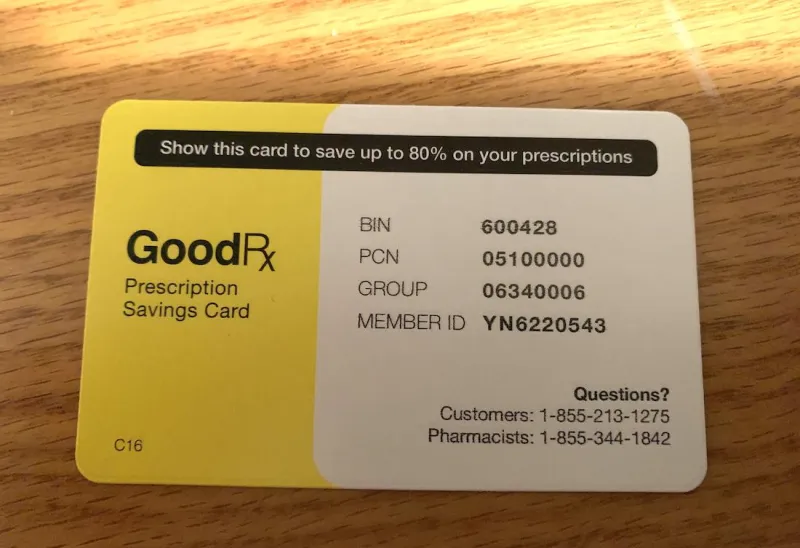
- Compare three price types at the pharmacy you prefer: your insurance copay, the pharmacy's cash price, and the discounted rate through a savings program. Ask the pharmacist directly which is lowest — they are permitted to tell you.
- Check chain pharmacy discount lists. Several national chains publish flat low-cost prices for month-long supplies of common generics, sometimes as low as $4, without insurance involvement.
- Evaluate mail order for maintenance medications. For ninety-day supplies of drugs you take chronically, licensed mail-order pharmacies frequently undercut local retail — but verify licensure through your state board of pharmacy and the NABP's accreditation listings before ordering online.
- Recheck annually. PBM contracts and pharmacy pricing change yearly. Last year's cheapest option is not guaranteed to hold.
Questions Worth Asking at the Counter
Armed with a comparison, a short conversation with your pharmacist can close the remaining gap:
- "What is the cash price without my insurance?"
- "Do you match the price I found through a discount program?"
- "Is a ninety-day fill cheaper per pill than thirty?"
- "Is there a therapeutic alternative on your discount list?" — a question to raise with your prescriber as well.
The Broader Picture
Legislative momentum is building. Multiple states have passed PBM licensing and transparency requirements, and federal reforms have begun targeting clawbacks and gag clauses directly. But for the foreseeable future, the burden of navigation remains on the patient — and the savings available to a patient who navigates well are substantial. For a household filling multiple maintenance prescriptions, ten minutes of comparison shopping each year can reclaim hundreds of dollars that the system was otherwise content to leave on the counter.