From Thirty to Seventy: What Your Prescription List Looks Like at Every Stage of American Adulthood
Ask any American over fifty what their medicine cabinet looked like at twenty-five, and you'll usually get a laugh. A bottle of ibuprofen, maybe some antacids, a half-used tube of hydrocortisone. Fast forward three decades, and that same cabinet may hold a statin, a blood pressure pill, a thyroid medication, and a weekly vitamin D regimen.
None of this happens all at once. Prescriptions arrive one diagnosis, one annual physical, one new normal at a time. Understanding what tends to appear at each stage of adulthood — and what it typically costs — is one of the most practical forms of financial planning a household can do. Below is a decade-by-decade map, drawn from the patterns pharmacists and primary care physicians see every day.
In Your 30s: Maintenance Begins Quietly
For most Americans, the thirties are defined less by chronic disease and more by life logistics. Oral contraceptives remain among the most filled prescriptions in this age group, along with antidepressants and anti-anxiety medications, which now rank among the most commonly prescribed drugs for adults under forty. Allergy medications, acid reducers, and the occasional antibiotic round out the list.
What to budget for:
- A reliable birth control method, whether prescription or long-acting
- A mental health medication, if applicable — many are available as affordable generics
- OTC staples: antihistamines, NSAIDs, antacids, first-aid basics
The good news: nearly everything on this list has a generic equivalent, and cash prices through discount programs are often lower than insurance copays. This is the decade to learn comparison shopping, because the habits you build now pay dividends later.
In Your 40s: The First Chronic Prescriptions Appear
Somewhere in the forties, the annual physical starts producing follow-up appointments. Blood pressure medications, statins for cholesterol, and medications for acid reflux or prediabetes frequently enter the picture. Thyroid disorders, particularly hypothyroidism in women, are commonly diagnosed in this window.
What to budget for:
- One or two daily maintenance prescriptions, usually generic
- A home blood pressure cuff or glucose monitor
- Higher-dose OTC needs — joint pain relief and sleep support become more common
This is also the decade where prescription costs begin to diverge sharply depending on where you fill them. Two pharmacies in the same town can charge dramatically different prices for identical generics, and patients who never ask about pricing routinely overpay by hundreds of dollars a year.
In Your 50s: The Cabinet Consolidates
By the fifties, multiple prescriptions running in parallel is the norm rather than the exception. Blood pressure and cholesterol medications are often joined by diabetes management drugs, osteoporosis prevention for postmenopausal women, and increasingly, sleep aids and medications for joint and mobility issues.
What to budget for:
- Three to five maintenance prescriptions
- Preventive items: calcium and vitamin D, shingles vaccination costs, screening copays
- Potential Medicare planning — eligibility at 65 changes the cost math entirely
This is the ideal decade for a full medication review with a pharmacist. Drug interactions multiply as the list grows, and a single appointment can identify duplications, interactions, and cheaper therapeutic alternatives.
In Your 60s and Beyond: Managing the Whole Picture
Retirement-age Americans juggle the widest prescription loads: cardiovascular medications, diabetes drugs, arthritis treatments, proton pump inhibitors, and often several specialists prescribing independently. Polypharmacy — taking five or more medications — becomes common, and so do the risks that come with it.
What to budget for:
- Medicare Part D premiums, deductibles, and the coverage gap
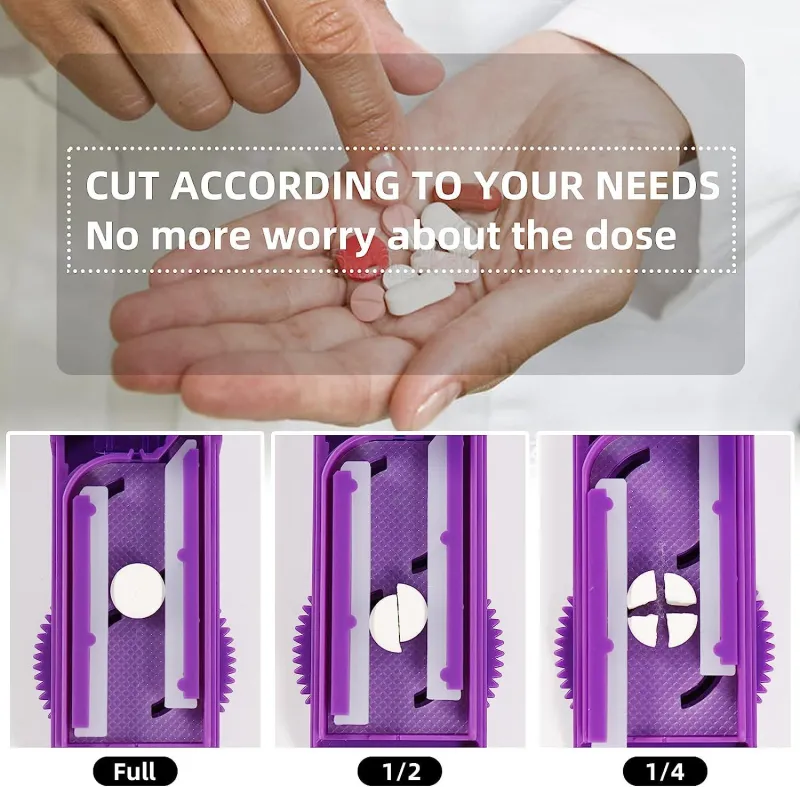
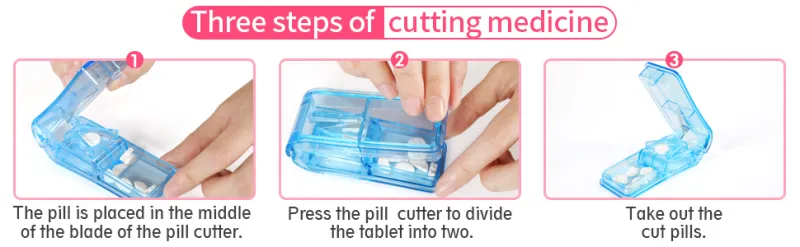
- Medication management tools: pill organizers, adherence apps, pharmacist consultations
- Caregiver coordination if prescriptions are managed for a spouse
The Inflation Reduction Act's insulin cap and the ongoing Medicare drug price negotiations have begun shifting costs for older Americans, but out-of-pocket spending remains highly variable. Reviewing your Part D plan annually during open enrollment is not optional housekeeping — for many households, it is the single largest pharmacy-related financial decision of the year.
The Universal Checklist: Questions to Ask at Every Age
Whatever the decade, four questions keep costs and risks in check:
- Is there a generic? For the vast majority of common prescriptions, the answer is yes, often at 80 to 90 percent less than the brand name.
- What does this cost without insurance? Discount cards and cash pricing sometimes beat copays.
- Does this interact with anything else I take? Ask the pharmacist, not just the prescriber.
- Is this still necessary? Medications prescribed years ago deserve periodic re-evaluation.
Your medicine cabinet will keep growing — that part is largely out of your hands. What stays in your control is knowing what's coming, asking the right questions, and never paying more than you have to for what's already on the shelf.