Ten Conversations Worth Having at the Pharmacy Counter (And Exactly How to Start Them)

Photo: pharmacist counseling patient at pharmacy counter white coat, via thumbs.dreamstime.com
Consider what stands between you and free, highly specialized medication expertise: roughly four feet of counter space. Pharmacists complete four years of doctoral education after undergraduate study, and they typically know your full medication list — often better than any single physician does. Yet surveys consistently show most patients spend under two minutes at pickup and leave without asking anything beyond "any questions?" answered with a shrug.
That silence is expensive. Here are ten questions that change the math, along with scripts you can use word-for-word on your next visit.
1. "Is there a less expensive medication that works the same way?"
Script: "I'm paying [amount] for this. Is there a therapeutic alternative — a different drug in the same class, or a generic version — that would cost me less?"
Doctors prescribe what they know; they rarely see the price you pay at pickup. Pharmacists see pricing every day and can often suggest a call to your prescriber to switch to an equally effective, dramatically cheaper alternative.
2. "What happens if I miss a dose?"
Script: "If I forget this medication, should I take it late, skip it, or double up?"
The answer differs by drug — and getting it wrong can be genuinely dangerous. This thirty-second question prevents both wasted doses and accidental overdoses.
3. "Does this interact with my vitamins and supplements?"
Script: "I also take [list them]. Any interactions I should know about?"
Supplements count. Fish oil, St. John's wort, ginkgo, and high-dose magnesium all interact with common prescriptions. Pharmacists can run a complete interaction check in seconds — something no supplement label will do for you.
4. "Can you run this through a discount price?"
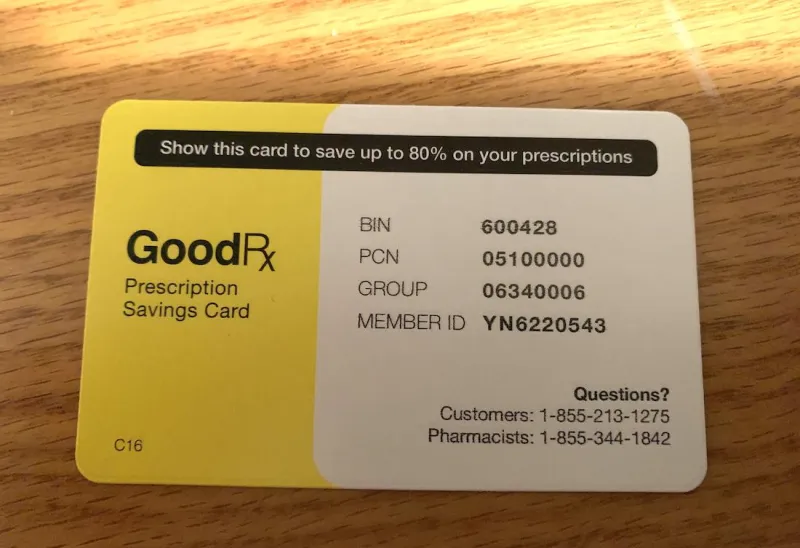
Script: "Can you check what this costs with a discount card before I pay?"
Cash prices fluctuate wildly, and pharmacists can often apply a discount program at the register on the spot. Sometimes the discounted cash price beats your insurance copay — a fact most patients never discover because they never ask.
5. "Which of these can I take together, and which need spacing?"
Script: "Is there a schedule I should follow? Does anything need to be taken apart from the rest?"
Certain combinations — calcium and thyroid medication, some antibiotics and antacids — cancel each other out when taken simultaneously. A pharmacist can build you a simple daily timeline.
6. "What side effects are normal, and which mean I should call someone?"
Script: "What should I expect in the first week, and at what point should I stop and call my doctor?"
This question prevents both panic over harmless effects and complacency about serious ones. Ask for specifics, not generalities.
7. "Is there a 90-day or maintenance option for this?"
Script: "I'll be on this long-term. Is there a 90-day supply option that lowers my per-month cost?"
For chronic medications, extended supplies frequently reduce cost per dose and refill trips alike. Pharmacies and insurers both offer maintenance programs that patients often don't know exist.
8. "Do you offer medication synchronization?"
Script: "Can you sync my refills so everything comes due on the same day each month?"
Medication synchronization consolidates multiple prescriptions into a single monthly pickup. It reduces missed refills, and it gives your pharmacist a natural monthly touchpoint to review everything at once.
9. "Is this the right form for me?"
Script: "I have trouble swallowing pills / remembering midday doses. Is there a tablet, liquid, or extended-release version that fits better?"
Formulation matters for adherence. A once-daily version of a twice-daily drug, or a tablet instead of a capsule, can be the difference between a regimen you follow and one you abandon.
10. "What should my follow-up be?"
Script: "When should I expect to feel a difference, and when should someone check whether this is working?"
This final question turns a transaction into a treatment plan. It establishes whether you need lab work, a prescriber check-in, or simply patience — and it gives your pharmacist the context to help you down the road.
Why This Works in Your Favor
Pharmacists are among the most accessible clinicians in American healthcare: no appointment, no copay, no waiting room. Every question above is one they are professionally trained — and generally eager — to answer. The next time you pick up a prescription, treat the counter as what it is: a free consultation with one of the most knowledgeable people in your healthcare team. All you have to do is start the conversation.