When Symptoms Strike After Midnight: A Calm, Practical Guide to Overnight Health Decisions
Photo: U.S. Air Force photo by 2nd Lt. Grace Brandt, Public domain, via Wikimedia Commons
It is a reliable rule of American life that health problems keep business hours of their own choosing. Fevers spike around midnight. Earaches intensify when every urgent care in the county is closed. And the question that follows is always the same: do I wait, do I call, or do I drive?
At MedsByUSA, we hear this dilemma constantly from readers managing household medicine budgets. The answer matters financially as much as medically — an unnecessary emergency department visit can cost a family hundreds of dollars in copays and facility fees, while the wrong delay can carry real consequences. What follows is a calm framework, drawn from conversations with emergency physicians and pharmacists, for making that call when the house is dark and your judgment is tired.
First, Take Sixty Seconds
Before doing anything, sit down and gather three facts: the person's temperature (if fever is suspected), any medications they already took tonight, and the exact moment symptoms began. This last detail sounds trivial, but emergency physicians say a precise timeline is one of the most useful things a patient can bring through their doors — and one of the most commonly missing.
Fatigue distorts perception. A symptom that feels catastrophic at 3 a.m. may look different at dawn, and vice versa. The framework below exists precisely because midnight judgment cannot be trusted on its own.
Tier One: The Medicine Cabinet
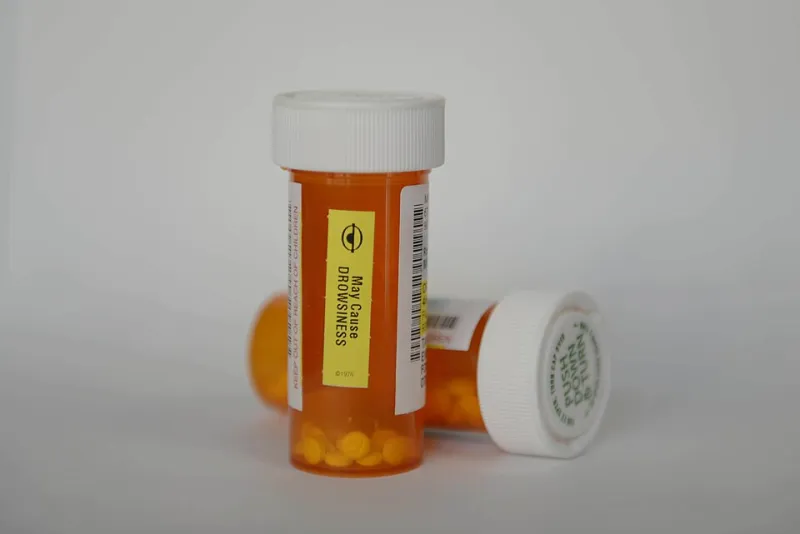
A surprising share of overnight discomfort can be managed at home with items you likely already own. Appropriate for self-treatment tonight, with a follow-up call to your primary care provider in the morning:
- Low-grade fever in an adult (under 103°F) — acetaminophen or ibuprofen, taken at labeled doses, with water
- Indigestion or heartburn — an antacid or a single dose of an H2 blocker
- A mild allergic reaction — limited hives, no swelling of lips or throat — managed with an antihistamine
- Occasional insomnia — skip the pill entirely; sedating antihistamines leave many adults groggy well past morning
The critical caveat: dosing. Pharmacists report that middle-of-the-night dosing errors — doubling up because "the first dose didn't work yet" — are among the most common mistakes they see. Read the label under a proper light. If the bottle is empty or expired, do not improvise with a different drug in the same class without checking for overlap, particularly with acetaminophen, which hides in many combination cold products.
Tier Two: The Phone, Not the Car
Between the medicine cabinet and the emergency room sits an underused resource: the nurse advice line. Most major insurers, Medicare Advantage plans, and state Medicaid programs operate a 24/7 nurse hotline, and the number is printed on the back of most insurance cards. Many hospital systems offer the same service free of charge.
A trained nurse can ask the questions a panicked household won't think to ask: How much has the child urinated? Is the pain reproducible when you press here? Has the vomiting prevented keeping fluids down for how long? In many cases, the nurse will confirm that waiting until morning is reasonable — or flag a detail that changes everything.
Call rather than treat at home when the situation involves an infant under three months with any fever, a fever above 103°F that doesn't respond to medication, vomiting that prevents keeping fluids down for more than several hours, or symptoms you simply cannot assess confidently. Calling costs nothing; guessing is what gets expensive.
Tier Three: When the ER Is the Right Answer
Emergency physicians are candid about the symptoms that should never wait for daylight, no matter the hour or the deductible:
- Chest pain or pressure, especially with shortness of breath, nausea, or arm pain
- Signs of stroke: facial droop, weakness on one side, slurred speech — note the time symptoms began
- Difficulty breathing or swelling of the face, lips, or throat
- Severe or "worst-ever" headache
- Uncontrolled bleeding
- Suspected overdose or poisoning
- Any fever in a newborn
"The visits we wish we could redirect," one emergency physician told us, "are the ones arriving at 2 a.m. for a prescription refill, a rash that's been there for a week, or a fever that started this evening and hasn't been treated yet." Those situations belong with urgent care, a telehealth visit, or the hotline — at a fraction of the cost.
A Simple Flow for the Nightstand
Print this and tape it inside the cabinet door:
- Breathing trouble, chest pain, stroke signs, uncontrolled bleeding? → Call 911.
- Severe pain, high fever, or a symptom you can't classify? → Call the nurse hotline on your insurance card.
- Familiar, mild, and manageable with a labeled OTC product you already have? → Treat at labeled doses, hydrate, and call your doctor in the morning.
- Unsure after reading this list? → That uncertainty is itself an answer. Call the hotline.
Preparation Is the Cheapest Medicine
The final step happens long before any given night. Keep a working flashlight, a working thermometer, current labels on everything in the cabinet, and the nurse hotline number written where a half-awake adult can find it. A household medicine audit once a year — checking expiration dates and restocking the basics — costs less than a single copay and pays for itself the first time a 3 a.m. fever arrives and the right answer is already on the shelf.
Overnight scares are frightening precisely because they arrive without context. A little structure, and a little preparation, restores both judgment and budget.