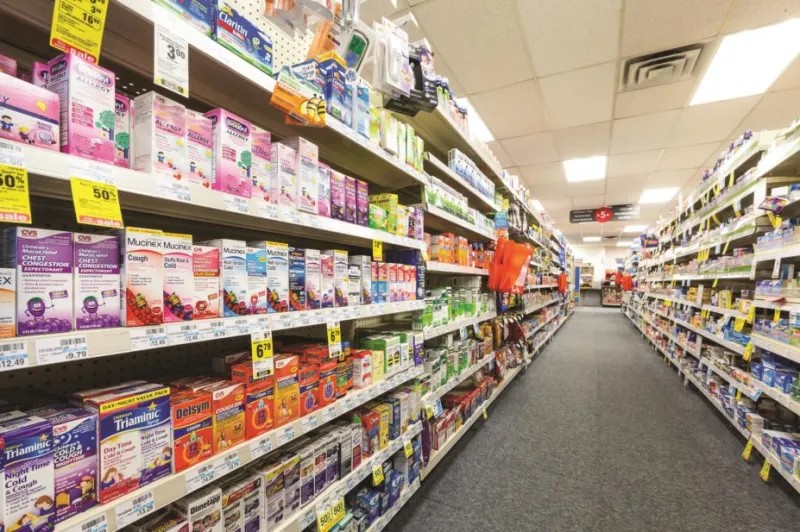
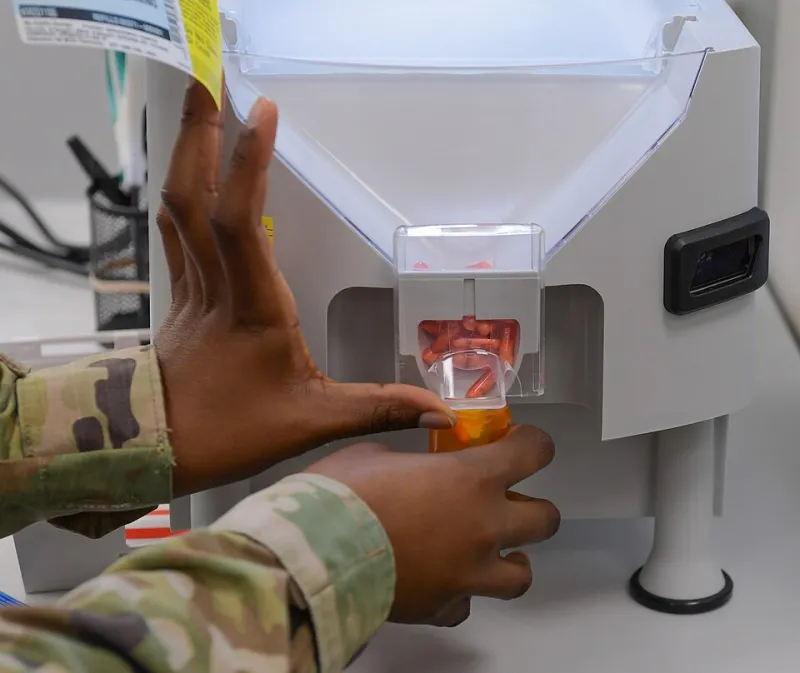
The Annual Medicine Cabinet Audit: A Room-by-Room Reset for Safer, Smarter Stocking
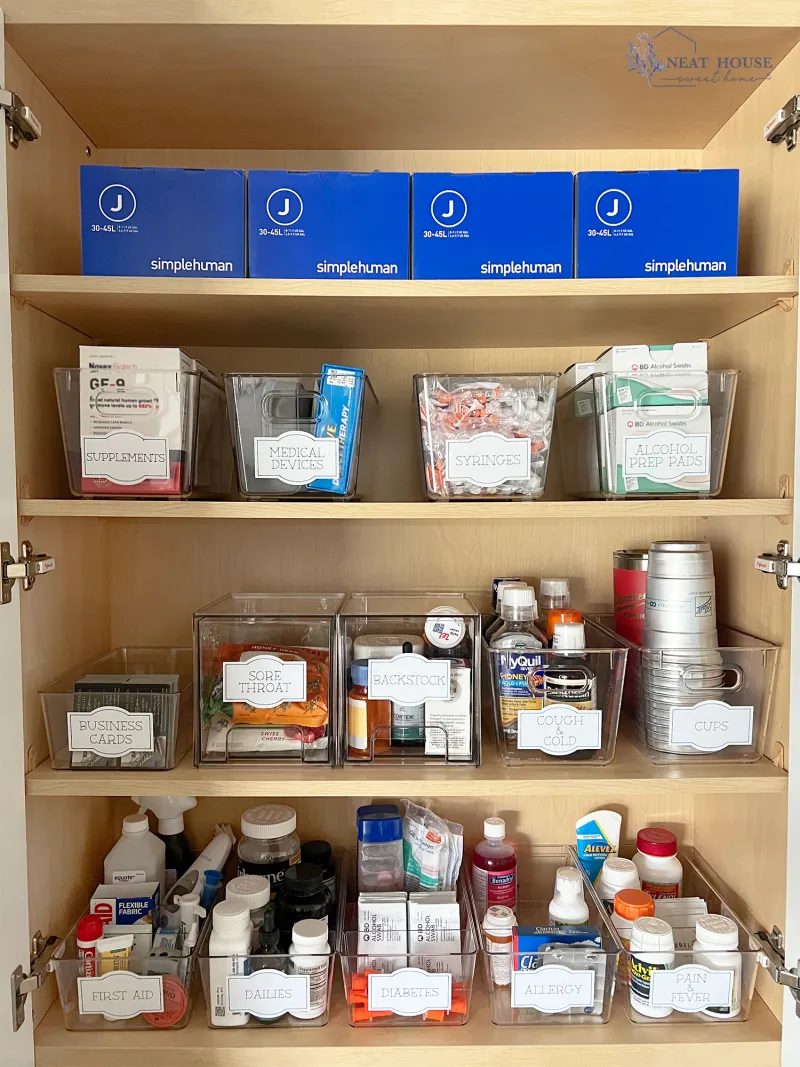
Photo: organized home medicine cabinet with medication bottles and first aid supplies, via www.neathousesweethome.com
Most Americans check their smoke detector batteries twice a year and rotate their pantry stock regularly. Yet the medicine cabinet — arguably the most consequential collection of products in the home — often goes unexamined for years. The result is a shelf holding expired antibiotics, heat-damaged inhalers, and bottles of anything-but-gently-used cough syrup of uncertain vintage.
An annual audit takes less than an hour and can protect your family from ineffective treatment, accidental poisoning, and avoidable expense. Here is how to conduct one properly.
Start by Emptying the Shelf — All of It
A true audit requires removing every item, not just glancing at the front row. Pull medications from the bathroom cabinet, the kitchen drawer, the bedroom nightstand, and any travel kits stowed in cars or luggage. Americans commonly keep duplicate stashes in three or four locations and forget about most of them.
Lay everything out on a clean towel with good lighting. Group items by category: pain relievers, cold and allergy products, prescription medications, first aid supplies, and topical treatments. Duplicates will reveal themselves quickly — and so will the half-empty bottles you forgot existed.
Reading Expiration Dates Like a Pharmacist
Every product gets a date check, but context matters as much as the printed number.
Hard lines — discard immediately:
- Reconstituted liquid antibiotics (these spoil within days to weeks of mixing)
- Eye drops, ear drops, and nasal sprays past their date, since sterility degrades
- Injectable medications, including expired epinephrine auto-injectors
- Anything discolored, cloudy, separated, or smelling unusual
Worth understanding: Research sponsored by the FDA has shown that many solid medications — tablets and capsules — retain much of their potency for years beyond labeled expiration dates. However, this is not a green light for consumers. The official position of the FDA and the Department of Health and Human Services is that expired drugs should not be taken, and certain medications, like nitroglycerin and insulin, are known to lose effectiveness quickly. When in doubt, replace it.
Check the Recall List Before You Toss or Trust
Expiration dates are only half the audit. Each year, the FDA issues recall notices ranging from a single lot of blood pressure medication to broad classes of products. Recent years have seen recurring recalls involving:
- Angiotensin II receptor blocker (ARB) blood pressure medications contaminated with trace nitrosamines
- Over-the-counter antacid and ranitidine products pulled over impurity concerns
- Liquid medications with incorrect dosing cups or labeling errors
- Sterile drug products from compounding pharmacies flagged for contamination
Before your audit, spend ten minutes at the FDA's recall database (fda.gov/recalls) and search for any brand names on your shelf. Sign up for recall notifications if you take a chronic-use medication. A product that has been recalled should be returned or discarded according to the notice instructions — not merely set aside.
Storage: The Silent Saboteur
The bathroom medicine cabinet is, ironically, one of the worst places to store medicine. Humidity from showers and temperature swings from hot water degrade active ingredients, particularly aspirin, effervescent tablets, and any product in a gelatin capsule.
During your audit, relocate items as follows:
- Cool, dry, dark cupboard (a hallway linen closet works well) for most tablets and capsules
- Refrigerator only when the label specifies — insulin, certain eye drops, reconstituted suspensions
- Original containers whenever possible; the bottle carries the dosing information, lot number, and expiration date
- Out of sight and reach of children, ideally in a locked box, since most pediatric poisonings in the U.S. involve medications found at home
If any pill in your audit shows crumbling, sticking, softening, or odor, storage damage has already occurred. Discard it regardless of the date.
Disposal Done Right
Do not flush medications by default, and do not rely on the trash alone. The best options, in order:
- Drug take-back events — the DEA coordinates national take-back days each spring and fall, and many police departments and pharmacies accept drop-offs year-round.
- Permanent disposal kiosks at chain pharmacies across most states.
- FDA-approved flushing for a short list of genuinely dangerous drugs (fentanyl patches, certain opioids) where the overdose risk outweighs environmental concerns.
- Household trash as a last resort: mix pills with coffee grounds or cat litter, seal in a bag, and remove personal information from the label first.
The Restock List: What a Well-Stocked Cabinet Actually Needs
With the shelf cleared, restock deliberately rather than reflexively. A sound baseline for an American household includes:
- Acetaminophen and ibuprofen (an adult formulation and, if relevant, a children's formulation)
- Diphenhydramine or a second-generation antihistamine like cetirizine for allergic reactions
- A digital thermometer with fresh batteries
- Adhesive bandages, sterile gauze, and medical tape
- An antacid and an anti-diarrheal product
- Saline nasal spray and a cough suppressant for winter
- Hydrocortisone 1% cream for insect bites and rashes
- Alcohol wipes and hand sanitizer
Two additions many households overlook: a current list of all family prescription medications kept with emergency documents, and — if anyone in the home has a known severe allergy — an unexpired epinephrine auto-injector, checked by expiration date every year without fail.
Make It a Habit, Not a Project
Tie the audit to a date you will remember: daylight saving time changes, New Year's, or the first day of school. Write the date on a piece of tape inside the cabinet door. Households managing chronic conditions may want to check quarterly, since those cabinets turn over faster.
The goal is not a perfect cabinet — it is a current one. An hour once a year keeps your family's medications effective, your disposal practices legal and safe, and your restocking budget pointed at things you will actually use. That is a return on time few other household chores can match.