The Shelf-Life Conversation: Reading Medicine Dates Without Wasting Money or Taking Chances
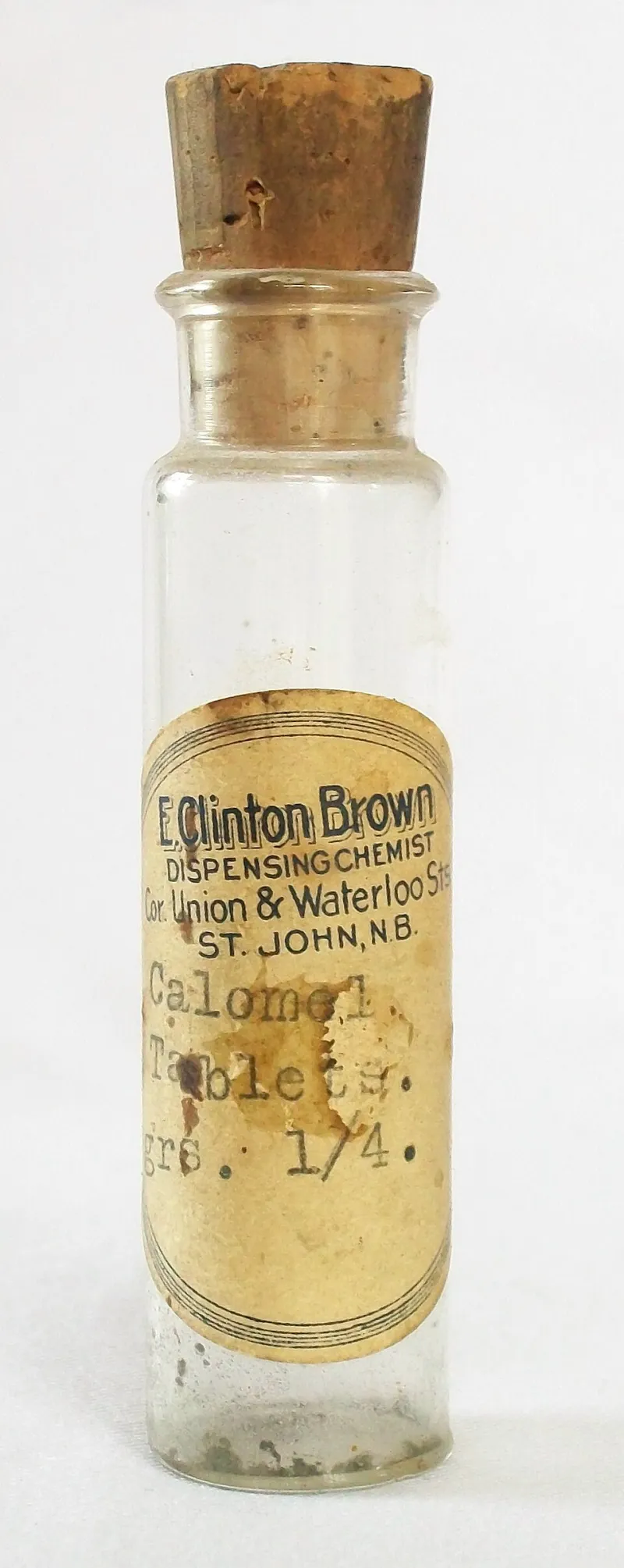
Photo: terry lavigne, CC0, via Wikimedia Commons
In many American homes, the date printed on a medicine bottle is treated as one of two things: an inflexible deadline or an irrelevant formality. Neither approach serves the household budget or the household safely. The date is a piece of information with a specific meaning, and reading it correctly can prevent both unnecessary waste and avoidable risk.
What the Manufacturer’s Date Actually Certifies
The expiration date on a prescription or over-the-counter product is set by the manufacturer. It reflects stability testing conducted under specified storage conditions. Until that date, the manufacturer expects the product to retain its labeled potency and to meet applicable quality standards when it has been stored as directed. The date is not a guarantee that the medicine becomes harmful the next morning. It is, however, the end of the period during which the maker stands behind full potency and proper performance.
That distinction matters because medicines do not all degrade at the same rate. A tablet in a tightly sealed bottle may remain stable for years under good conditions. A liquid antibiotic mixed at the pharmacy may have a useful life measured in days. A tube of cream or a bottle of insulin may sit somewhere in between. Treating every package as if it follows the same clock is how cabinets fill with products that are either discarded too soon or kept too long.
The Pharmacy’s Own Clock: Beyond-Use Dates
A pharmacy may place a beyond-use date, or BUD, on a product. This is common for compounded preparations, repackaged medicines, reconstituted oral liquids, and some eye preparations. The BUD can be much shorter than the manufacturer’s original expiration date because the product has been opened, mixed, transferred, or exposed to new conditions.
A liquid antibiotic that is reconstituted at the counter is a familiar example. Once water is added, the preparation may need refrigeration and may be labeled for use within a week or two. Insulin is another. Many patients know to refrigerate unopened vials, but once a pen or vial is in use, the clock changes according to the product labeling. Eye drops are similar: many bottles carry a discard period after opening, even when the printed expiration date is months away.
The practical rule is simple. When a pharmacy label gives a beyond-use date, that date governs. Do not override it with the manufacturer’s later date, and do not assume that refrigeration extends every product. Some medicines are damaged by cold. The label instructions are product-specific for a reason.
Storage Habits Matter More Than Many Patients Realize
A medicine stored in a steamy bathroom cabinet is not being stored as directed. Heat, humidity, and light can speed degradation. So can a car’s glove compartment in a Phoenix summer or a windowsill in a Florida kitchen. For most medicines, the better location is a cool, dry, dark place away from children and pets, with the product kept in its original container and the lid closed tightly.
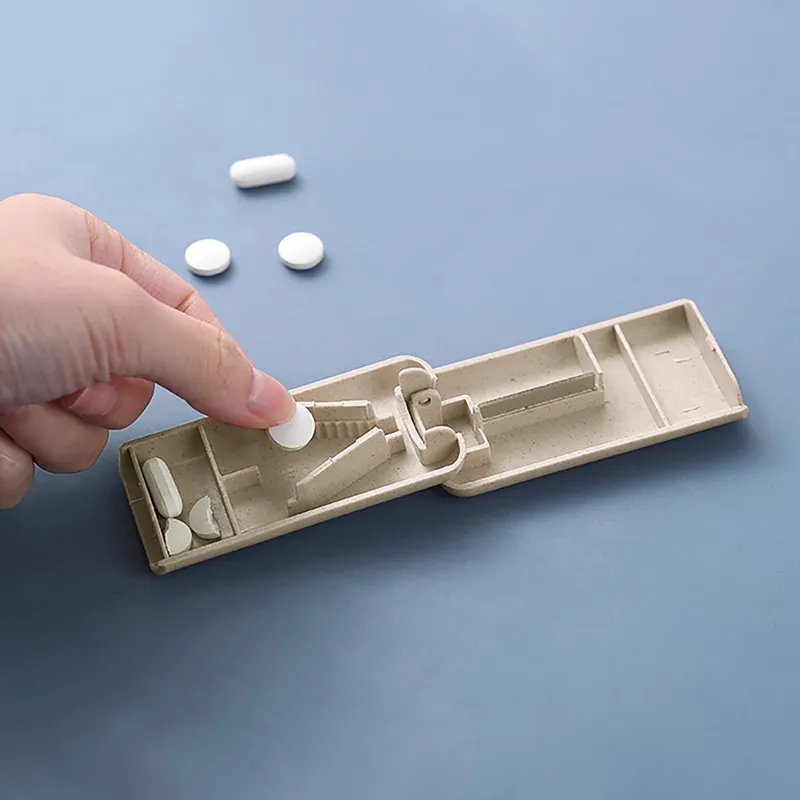
The original container carries useful information: the expiration date, the lot number, the pharmacy label, and sometimes a desiccant. Moving tablets into an unlabeled weekly organizer for a long period is not ideal, although a seven-day organizer used as intended is a different matter. Keep the manufacturer’s bottle for storage, and use the organizer only for the short term.
Dosage form also affects staying power. Tablets and capsules are generally more resilient than liquids, creams, and injectables. Products that require refrigeration should be kept at the recommended temperature, not simply placed in the coldest part of the refrigerator. Products that should not be frozen should not be left near a freezer compartment. These details may seem minor until a patient has to replace a costly product that was stored incorrectly.
When Keeping an Unopened Product Is Reasonable
An unopened product that is still within its manufacturer’s expiration date, has been stored properly, and shows no signs of damage is generally reasonable to keep. The same is true of a product that has passed its printed date only slightly and is intended for a noncritical use, though the patient should understand that potency is no longer guaranteed. For serious conditions, the calculation changes.
Medicines that treat seizures, heart conditions, severe allergies, diabetes, or serious infections deserve particular caution. An expired epinephrine auto-injector, for example, should not be treated as a dependable emergency treatment. Expired insulin may not control blood sugar as expected. An antibiotic that has lost potency may fail to clear an infection. In these situations, replacing the product is the safer financial choice, even when the replacement costs more than the patient would like.
Cost-conscious patients can reduce waste without stockpiling. Use the oldest properly stored supply first. Refill according to an actual need rather than a calendar that encourages extra bottles. Ask a pharmacist whether a 90-day supply makes sense for a stable maintenance medicine. Compare generic options and discount programs through legitimate sources. Saving money is worthwhile; relying on a degraded medicine is not.
When Tossing Is the Smarter Money Move
Discard any product that has changed appearance, smell, or texture. A liquid that has turned cloudy, a tablet that is crumbling, or a cream that has separated should not be used. Discard eye drops that have been open past the labeled period. Discard compounded products after their beyond-use date. Discard medicine that was stored in a hot car or a damp bathroom for an extended period, even if the printed date is still in the future.
Disposal should follow local guidance. Many communities offer drug take-back kiosks, pharmacy mail-back programs, or periodic collection events. Flushing should be reserved for products whose instructions specifically recommend it. Before discarding a labeled bottle, remove or obscure personal information. This protects privacy and discourages misuse.
A Practical Cabinet Routine
A twice-yearly review takes only a few minutes. Pull every product out, check the manufacturer date and any pharmacy beyond-use date, and separate the questionable items from the clearly usable ones. Keep original packaging, store the remaining supply in a dry location, and lock up opioids and other high-risk medicines. If a date or storage condition is unclear, ask a pharmacist rather than guessing.
The expiration date is not a countdown clock, and it is not decoration. It is one part of a larger safety and cost picture. MedsByUSA encourages Americans to read that picture carefully, buy only what they need, store medicines properly, and replace critical products on time. Affordable medicine is valuable. Medicine that has been kept correctly and used safely is the better bargain.