The Mailbox Pharmacy: Weighing the Real Risks and Rewards of Ordering Medicine From Abroad

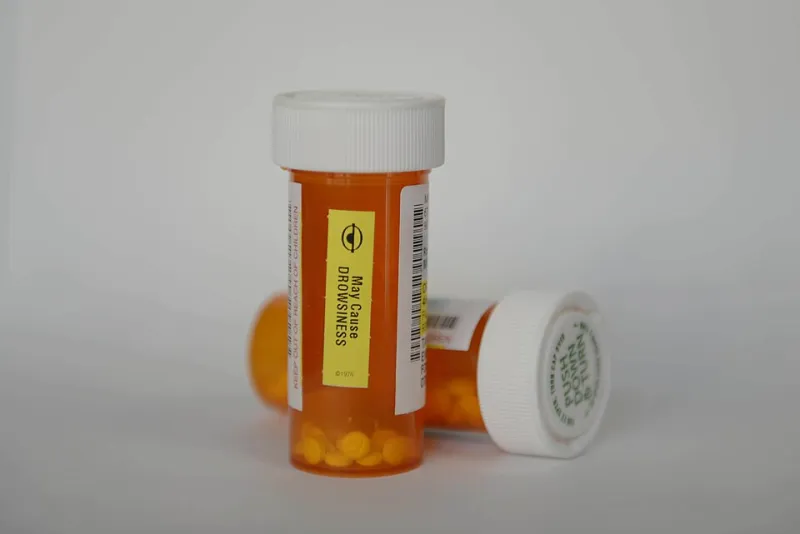
Photo: prescription medication packages mail envelope on kitchen table, via i.pinimg.com
Ask anyone managing a chronic condition on a fixed income why they considered a Canadian pharmacy, and the answer usually comes down to one invoice. Insulin, inhalers, blood thinners, and statins can cost a fraction of what they do at an American chain — sometimes 70 to 90 percent less. That gap has pushed millions of Americans to look north, and increasingly to look overseas entirely. Before joining them, it pays to understand exactly where the law stands, what the dangers actually are, and how to separate legitimate cross-border operations from the counterfeit mills.
The Legal Gray Zone, Explained Simply
Federal law technically prohibits importing prescription drugs purchased outside the United States. The FDA's stated policy, however, focuses enforcement on commercial-scale importation rather than individuals. In practice, the agency has generally exercised discretion toward personal quantities — typically a 90-day supply — imported for a patient's own use, particularly when the medication is unavailable or unaffordable domestically.
That discretion is not a green light. It is a gap. Personal importation remains unlawful in most circumstances, and individual states may impose their own restrictions. Several governors have pursued formal importation programs under Section 804 of the FDA Reauthorization Act, which allows states to import certain drugs from Canada under regulated conditions, but consumer-level mail ordering still occupies an ambiguous middle ground. Anyone ordering from abroad should understand they are relying on enforcement priorities, not legal protection.
How to Spot a Credible International Pharmacy
Not all foreign pharmacies are created equal, and the difference matters enormously. A genuine Canadian pharmacy operating under Health Canada oversight is a fundamentally different proposition from a website with a Toronto area code routing orders to an unlicensed warehouse in an undisclosed country.
Verification tools exist for this purpose. PharmacyChecker, LegitScript, and the Canadian International Pharmacy Association (CIPA) all screen online pharmacies for licensing, prescription requirements, and dispensing standards. The National Association of Boards of Pharmacy maintains its own .pharmacy verified websites program. A few screening criteria worth applying before entering any payment information:
- The site requires a valid prescription from a licensed prescriber
- It displays verifiable licensing from a recognized regulator
- It has a physical address and a working phone number staffed by pharmacists
- It does not offer controlled substances, which are illegal to import under any circumstances
- Prices are plausible; a brand-name drug offered at 95 percent off is a red flag, not a bargain
The Counterfeit Problem in Real Numbers
The FDA has seized everything from fentanyl-laced "oxycodone" to sugar pills sold as cancer medications at international mail facilities. The World Health Organization estimates that a substantial share of drugs sold through unverified online outlets is substandard or falsified. Counterfeiters have grown sophisticated: blister packs, holograms, and even working customer service lines can all be faked.
The risk profile is not uniform, though. A maintenance medication like atorvastatin carries different stakes than a blood thinner or an epilepsy drug, where a failed dose can be catastrophic. Risk tolerance should scale with the medication, not just the savings.
A Decision Framework: When It May Make Sense, and When It Doesn't
Consider a cross-border order more seriously when the drug is a brand-name product with no generic available in the US, the savings exceed 50 percent after shipping, the pharmacy passes multiple independent verifications, and the medication is a stable maintenance therapy with clear warning signs if it fails.
Walk away when the product is a controlled substance, when the site skips the prescription requirement, when the price seems too good to verify, or when the medication is critical enough that a single bad batch could be life-threatening. In many of these cases, domestic alternatives — manufacturer assistance programs, 340B-covered entities, generic substitution, or state pharmaceutical assistance programs — can narrow the price gap without the uncertainty.
The Bottom Line
Ordering medications from Canada or elsewhere abroad is a genuine option that millions of Americans have used without incident, but it is an option built on enforcement discretion rather than clear law. Treat verification as non-negotiable, keep quantities within personal-use norms, and never gamble on medications where counterfeit failure equals medical emergency. Affordable medicine matters — but medicine that works matters more.