Read the Label, Not the Brand: 12 OTC Ingredients That Make Pricey Products Obsolete
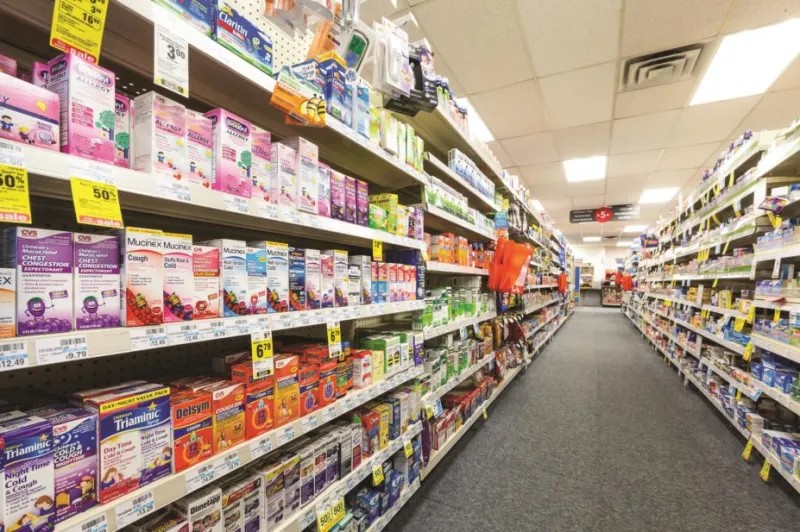
Photo: over-the-counter medicine aisle drugstore shelves, via pharmaceutical-journal.com
Walk down any American pain-relief aisle and you will find the same molecule sold at four prices. The active ingredient in a $9 name-brand ibuprofen and a $2.50 store-brand ibuprofen is, by federal law, the same compound in the same dosage. The Food and Drug Administration requires generic and store-brand over-the-counter drugs to demonstrate the same strength, quality, and performance as their name-brand counterparts.
What you are paying extra for, in nearly every case, is the box, the advertising, and the brand recognition. Learning to read a Drug Facts label — specifically the "Active ingredient" line at the top — is the single most effective consumer skill in the OTC aisle.
Here are the twelve ingredients that do the real work, and the premium products that quietly depend on them.
1. Ibuprofen — The Pain and Fever Workhorse
What it treats: Headaches, muscle aches, menstrual cramps, fever, minor arthritis pain.
What to look for on the label: "Ibuprofen 200 mg." Anything else is filler or coating.
The overcharge: Name-brand versions often cost three to four times the store brand for identical tablets. The coated and "liquid gel" versions add convenience, not efficacy.
2. Acetaminophen
What it treats: Fever and pain, particularly for people who cannot take NSAIDs like ibuprofen.
What to look for: "Acetaminophen 325 mg" or "500 mg." Be cautious with "Extra Strength" marketing — it usually just means 500 mg instead of 325 mg, which you can achieve by taking the standard version as directed.
The critical caution: Acetaminophen appears in hundreds of combination products (cold medicines, prescription pain relievers). Exceeding 3,000–4,000 mg per day risks liver damage. Check every label you take in a day.
3. Naproxen Sodium
What it treats: Longer-lasting relief for muscle soreness and arthritis — its chief advantage over ibuprofen is dosing every 8–12 hours instead of every 4–6.
What to look for: "Naproxen sodium 220 mg." Store brands are frequently half the price of the leader.
4. Diphenhydramine — The Original Nighttime Antihistamine
What it treats: Allergy symptoms and, secondarily, occasional sleeplessness.
What to look for: "Diphenhydramine HCl 25 mg." Here is the secret: the popular name-brand "nighttime" cold and sleep products are largely this ingredient plus a pain reliever. Buying generic diphenhydramine separately and pairing it with inexpensive acetaminophen replicates the combo for a fraction of the cost.
5. Loratadine and 6. Cetirizine — The Non-Drowsy Duo
What they treat: Seasonal and indoor allergies without significant drowsiness.
What to look for: "Loratadine 10 mg" or "Cetirizine HCl 10 mg." Both have been available over the counter for years, and store-brand versions routinely cost pennies per tablet. Loratadine tends to be slightly less sedating; cetirizine slightly stronger. Trial and error beats marketing.
7. Dextromethorphan — The Cough Suppressant
What it treats: Dry, unproductive coughing.
What to look for: "Dextromethorphan HBr" on the label. Many premium cough syrups are this ingredient, sweeteners, and dye. Generic tablets and syrups deliver the same dose for less. Note: evidence for cough suppressants is modest overall; honey and fluids remain underrated.
8. Guaifenesin — The Expectorant
What it treats: Thins mucus so a wet cough clears more easily.
What to look for: "Guaifenesin 200 mg" (or 400 mg in extended-release tablets). Skip combination "cold and flu" products that bundle it with ingredients you do not need.
9. Pseudoephedrine — The Real Decongestant
What it treats: Nasal congestion. This is the ingredient with genuine decongestant evidence — unlike phenylephrine, the common substitute on open shelves, which an FDA advisory panel has questioned for oral effectiveness.
What to look for: "Pseudoephedrine 30 mg" or 120 mg extended-release. It is kept behind the pharmacy counter and requires ID, but generic versions are inexpensive and effective.
10. Hydrocortisone — The Itch Stopper
What it treats: Rashes, insect bites, eczema flare-ups, poison ivy.
What to look for: "Hydrocortisone 1%" cream or ointment. Anti-itch products priced at a premium often contain exactly this. Ointments generally outperform creams for dry, itchy skin.
11. Loperamide — The Anti-Diarrheal
What it treats: Acute diarrhea.
What to look for: "Loperamide HCl 2 mg." The store brand costs a fraction of the name brand for the identical dose. Follow package directions exactly; more is not better and can be dangerous.
12. Calcium Carbonate — The Antacid
What it treats: Occasional heartburn and upset stomach.
What to look for: "Calcium carbonate 500–1,000 mg." Chalk is chalk, whichever logo is on the bottle. For frequent heartburn, famotidine 10 mg — also available generically — offers longer-lasting relief.
How to Shop the Aisle Like a Pharmacist
- Go straight to the Drug Facts panel. The active ingredient and its strength are the only lines that determine whether a product will work.
- Match the strength, not the brand. If a store brand lists the same ingredient at the same milligram strength, it is the same medicine.
- Reject combination products you do not need. Paying for a five-symptom formula when you have one symptom means paying for ingredients you will never use.
- Compare the per-tablet price. Larger bottles of store brands often drop the per-dose cost below half the name-brand rate.
- Ask the pharmacist. Every pharmacy counter in America can point you to the store-brand equivalent in seconds, free of charge.
The Bottom Line
There is nothing wrong with a name brand if you prefer it and can afford it. But the OTC aisle is one of the few places in American consumer life where the store brand is not a compromise — it is chemically the same product under a quieter label. For a family restocking a medicine cabinet, the difference across a dozen staples can easily exceed $100 a year. Read the label, buy the ingredient, and let the advertising budget stay in someone else's cart.