Enrolled and Forgotten: The Quiet Arithmetic of Pharmacy Auto-Refill Programs
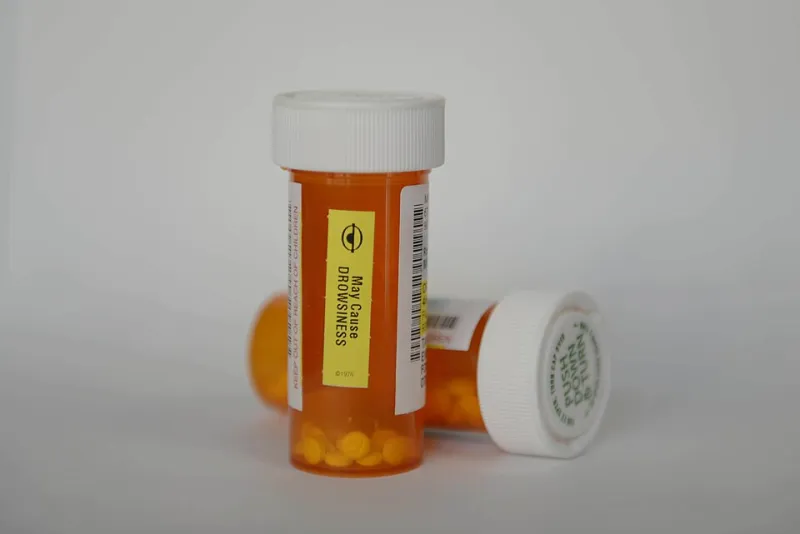
Photo: Airman Valerie Monroy, Public domain, via Wikimedia Commons
Somewhere between the drive-thru lane and the mobile app, American pharmacies made refilling a prescription as effortless as streaming a show. Sign up once, and your maintenance medications arrive on schedule, month after month, without a phone call or a reminder. For millions of patients managing chronic conditions, this is a genuine lifeline. For others, it has become a slow leak—an enrollment made years ago that keeps billing, shipping, and stocking the medicine cabinet long after the need has changed.
Understanding when auto-refill works for you, and when it works against you, requires looking past the signup bonus and into the mechanics of the programs themselves.
What Auto-Refill Actually Does Behind the Scenes
When you enroll, the pharmacy's system flags your prescription for automatic processing—typically seven to ten days before your supply runs out. From there, several things happen in sequence that many patients never see.
First, the pharmacy bills your insurance plan. If your plan has changed since enrollment—a new employer policy, a switch to Medicare Advantage during open season, a formulary update—the medication may now be billed in a different tier, or may require prior authorization that the auto-refill system does not always flag before dispensing.
Second, the refill clock runs against your prescription's expiration date. Prescriptions for controlled substances and many maintenance drugs carry limited refill counts. Once those are exhausted, some programs simply pause; others generate calls you may miss. Either way, a lapsed prescription can leave you scrambling for a renewal appointment with your physician.
Third, the filled medication waits on the shelf. Most pharmacies will return unclaimed prescriptions to stock after ten to fourteen days, but medications that are shipped or delivered often cannot be resold. If you have stopped taking a drug and the program keeps dispensing it, you are paying a copay for inventory you will eventually discard.
The Hidden Costs of Set-and-Forget Prescribing
The financial consequences of forgotten enrollments tend to arrive in three forms.
Unused copays. A $15 copay on a medication you no longer take, billed monthly, is $180 a year. Multiply that across two or three drifted prescriptions and the annual loss becomes a meaningful line item in a household budget.
Formulary drift. Drug formularies change every January. A medication that sat comfortably in a low-cost tier last year may have moved to a higher tier or to a brand-only status. Patients on auto-refill often discover this only when the charge appears on their benefits statement.
Therapeutic stagnation. Perhaps the least visible cost: if your doctor has adjusted your regimen—lowered a dose, discontinued a drug, substituted a generic—the auto-refill queue can lag behind, dispensing an outdated version of your treatment plan until someone manually intervenes.
Which Prescriptions Belong in Auto-Refill
Not all medications are equally suited to subscription dispensing. A practical framework:
Strong candidates. Long-term maintenance drugs with stable dosing and no dose adjustments in the past year: statins, blood pressure medications, thyroid replacements, most antidepressants at steady-state dosing. If you have taken the same dose for over a year and expect to continue indefinitely, automation removes a failure point.
Poor candidates. Medications with recently changed dosages, drugs you take seasonally or as-needed, prescriptions for conditions that may resolve (a short course of therapy, for example), and anything with a narrow therapeutic index where your physician wants close monitoring between fills.
Special caution. Controlled substances are generally excluded from auto-refill anyway, but if a program offers them, decline. These require in-person or verified authorization for every fill, and automation is not appropriate.
A Step-by-Step Audit of Your Enrollments
Set aside twenty minutes this quarter and work through the following:
- List every medication currently on auto-refill, noting the dose and the date of your last dosage change.
- Cross-check against your latest doctor's instructions. Any mismatch—a discontinued drug, an old dose—gets removed from the program immediately.
- Review your last three months of insurance explanations of benefits. Look for tier changes, prior authorization flags, or refills you did not expect.
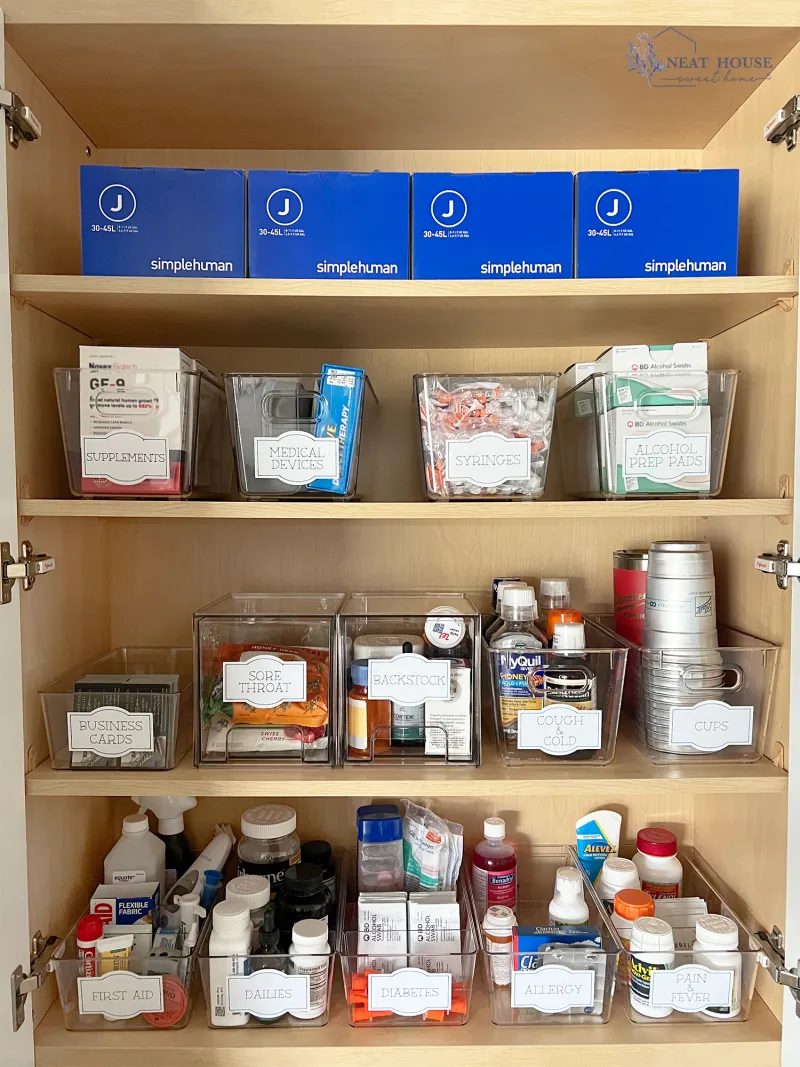
- Walk through your medicine cabinet. Unopened bottles from prior fills are evidence the program is outpacing your actual use.
- Call the pharmacy and request a refill history. Federal law gives you the right to this record, and it takes most pharmacies minutes to produce.
- Cancel what no longer fits. Most chains—CVS, Walgreens, and regional grocers alike—allow cancellation through the app or a single phone call. Ask for confirmation in writing or take a screenshot.
- Reset reminders for the ones you keep. A calendar note every six months is enough to catch formulary changes before they catch you.
The Bottom Line
Auto-refill is a tool, not a default. Used for stable, long-term maintenance therapy, it improves adherence and reduces the dangerous gaps that come from simply forgetting to call in a refill. Left unexamined, it becomes a subscription to your own inattention. A twice-yearly audit keeps the convenience and returns the arithmetic to your side of the ledger.