After the Drugstore Leaves: How to Keep Your Refills Moving When Local Access Shrinks

Photo: Richard West , CC BY-SA 2.0, via Wikimedia Commons
In many American towns, the pharmacy is more than a retail counter. It is the place where a parent picks up a child's antibiotic on a Friday night, where an older neighbor asks about a new blood pressure pill, and where a cashier knows which family needs a refill reminder. When that counter closes, the loss is not only commercial. It is practical, and it can become medical.
The phrase pharmacy desert describes a community with limited or no reasonable access to a pharmacy. The problem is not new, but it has become more visible as chain stores, independent pharmacies, and rural outlets close or consolidate. In 2026, the effect is uneven. Some neighborhoods have three pharmacies within a mile. Others have none within thirty. For patients with chronic conditions, the difference can mean missed refills, delayed treatment, and higher costs.
What a pharmacy desert means for a refill
A pharmacy closure does not automatically transfer a prescription. Patients must choose a new pharmacy and arrange the transfer, or ask the closing pharmacy to send records to a new location. If the closing pharmacy is part of a chain, the prescription may be accessible at another branch, but the patient still needs to confirm that the new store has the drug in stock and is in the insurance network.
For controlled substances, the rules are stricter. Some prescriptions cannot be transferred between pharmacies without specific authorization, and state law may limit how many times a controlled substance prescription can be transferred. Patients should ask the new pharmacy before assuming a transfer is possible.
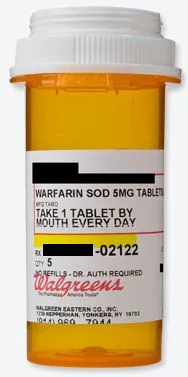
The bigger risk is the gap. A patient who waits until the last pill to find a new pharmacy may face a delay of several days. For insulin, seizure medication, blood thinners, or heart medication, that gap can be dangerous. A backup plan is not a luxury; it is part of medication safety.
Transferring a prescription without a gap
Start by asking the closing pharmacy for a copy of your medication list. The list should include drug names, strengths, directions, prescriber names, and the last fill date. If the pharmacy is closing, ask where records will be stored and how to request them later.
Next, choose a new pharmacy and confirm three things: that it is in your insurance network, that it can obtain your medications, and that it offers a way to reach a pharmacist when needed. Call the new pharmacy before the transfer. Ask whether it can contact the old pharmacy directly, or whether you need to bring a written prescription. For electronic prescriptions, the prescriber may need to resend the order to the new pharmacy.
If you use a mail-order or delivery service, confirm the turnaround time and the refill schedule. A 90-day supply can reduce trips, but it also requires planning. Do not wait until the bottle is empty to request the next shipment.
Delivery and mail-order: what to check
Delivery and mail-order can fill the gap left by a closing pharmacy, especially in rural areas. They are not interchangeable with a local counter, though. Check whether the service is licensed in your state, whether it accepts your insurance, and whether it can handle temperature-sensitive medications. Ask how the service packages refrigerated drugs and how it responds if a shipment is delayed.
Confirm who to call when something goes wrong. A patient should have a phone number for a pharmacist, not only a customer service line. Ask whether the service provides adherence packaging, automatic refills, or a local pickup option. If you use a delivery service, make sure someone can receive the package and that the medication will not sit in a hot mailbox or on a porch.
Building a backup plan before the sign comes down
A good backup plan has three parts. First, keep an updated medication list in your wallet or phone. Include generic names, not just brand names. Second, identify a second pharmacy now, before you need it. Ask whether it is accepting new patients and whether it can access your insurance. Third, talk to your prescriber about refill timing. A prescriber may be able to send a 90-day prescription or authorize a slightly early refill if a closure is imminent.
Some states have emergency refill rules that allow a pharmacist to provide a limited supply when a prescription cannot be obtained in time. The details vary, and the rules do not cover every drug. Ask your pharmacist what is possible in your state.
The community layer
Local pharmacies also provide services that are difficult to replicate online: blood pressure checks, vaccine administration, medication synchronization, and a familiar person who notices when a patient looks unwell. When a pharmacy closes, those services do not disappear all at once, but they become harder to reach.
MedsByUSA's guidance is to treat pharmacy access as part of prescription safety. Know your refill dates, keep your records, and identify more than one way to get medicine. The counter may close without warning. A plan can keep the treatment going.