A Different Hue, Same Molecule: What to Do When Your Refill Looks Unfamiliar
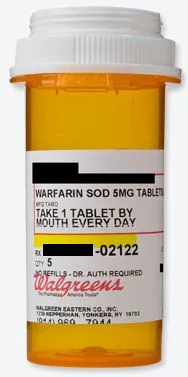
Photo: JCRules, CC BY-SA 3.0, via Wikimedia Commons
Refill day should be routine: open the bag, check the label, put the bottle away. Then one month the tablet is a different color. The shape has changed. The imprint is unfamiliar. The label still carries the same drug name and strength, but the medicine no longer looks like the one that has been on the kitchen counter for years. For many patients, the first reaction is quiet alarm. For others, it is annoyance. Both responses are reasonable, and both deserve a clear answer.
In most cases, a different-looking refill is not a sign of error. It is a sign that the pharmacy has dispensed a generic from a different manufacturer, or that a brand-to-generic switch has occurred. The active ingredient, strength, and dosage form may be exactly the same. Still, appearance is one of the few things patients can check at home, so it is worth understanding what the change does and does not mean.
Why the same medicine can look different
Generic drugs are approved as copies of brand-name medicines, but they are not required to look identical. Trademark law generally prevents a generic from copying the distinctive shape, color, or imprint of a brand product. Different generic manufacturers also use different inactive ingredients, binders, fillers, and coatings. Those differences can change the tablet's color, size, or marking without changing the active ingredient.
A pharmacy may switch manufacturers for reasons that have nothing to do with the patient: supply shortages, contract changes, wholesaler availability, or a new generic launch. The result is a bottle that looks different but carries the same drug name and strength. In 2026, as generic supply chains continue to shift, these substitutions are common.
What bioequivalence does and does not mean
The Food and Drug Administration approves generics through an abbreviated pathway that requires evidence of bioequivalence. In practical terms, the generic must deliver the same active ingredient to the body at a similar rate and extent as the brand-name product. The FDA's standards allow for some variation, but they are designed to ensure that the generic can be substituted safely and effectively for the brand.
Bioequivalence does not guarantee that every visual detail will match. It also does not guarantee that inactive ingredients will be identical. For most patients, those differences are not clinically meaningful. For a small number of patients, an inactive ingredient can matter. A dye, a filler, or a coating may cause an allergy or intolerance. A patient with a narrow therapeutic index drug may be more sensitive to small differences. That is why the conversation should be specific: what changed, and does it matter for this patient?
How to identify a pill with confidence
Start with the pharmacy label, not the internet. The label should list the drug name, strength, manufacturer or distributor, and often a description of the tablet. Compare that information with the pill in the bottle. If the label says the manufacturer has changed, the appearance change is expected.
Pill imprint codes are another useful tool. Most tablets and capsules carry a combination of letters and numbers that identifies the product. A pharmacist can use the imprint, shape, color, and scoring pattern to confirm the tablet against the pharmacy's records. The National Drug Code on the label is also a reliable identifier. Avoid relying on a random image search alone; different products can share similar colors and shapes, and an online match is not proof.
If the pill has no imprint, or if the imprint is too worn to read, do not guess. Call the pharmacy and describe the tablet. The pharmacy can check the prescription history and the current stock. If the appearance is genuinely inconsistent with what was dispensed, the pharmacist can investigate.
When a difference is worth a call
Call the pharmacist if the strength has changed, if the instructions are different, if the release mechanism has changed from immediate release to extended release, or if the tablet looks damaged, cracked, or unusually soft. Call if you notice new symptoms after starting the refill, especially a rash, swelling, breathing difficulty, or a return of symptoms the medicine is meant to control. Call if you have a known allergy to a dye or inactive ingredient and the new tablet looks different.
Do not stop a medicine abruptly because the pill looks unfamiliar. Instead, keep taking it as prescribed unless a clinician tells you otherwise, and seek advice promptly. For controlled substances or narrow therapeutic index drugs, a pharmacist may recommend extra confirmation before the next dose.
A calm script for the pharmacy counter
A simple approach works: 'This refill looks different from my last one. Can you confirm the active ingredient, strength, and manufacturer? Is this a normal generic switch?' Ask the pharmacist to note the change in your record. If you prefer a consistent manufacturer, ask whether the pharmacy can order it, though supply and insurance rules may limit that option.
MedsByUSA's consumer guidance is to treat appearance as a prompt for verification, not a verdict. A different color is often just a different manufacturer. A pharmacist can confirm the rest.